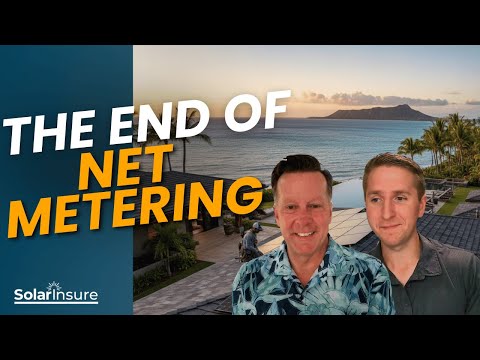
The solar energy landscape is rapidly evolving, but few regions showcase this transformation as clearly as Hawaii and Puerto Rico. Dean Chiaravallotti, Solar Insure Chief Revenue Officer, recently shared valuable insights into the distinct solar markets in these islands, highlighting the challenges and opportunities solar providers face. He also shared what mainland providers can learn from island providers to find success in the next market evolution.
Table of Contents
Understanding the Hawaiian Solar Market

Hawaii stands out as a leader in solar energy adoption, boasting an impressive 90% battery attachment rate. This high percentage is largely due to the absence of net metering, which has led to a focus on self-consumption. Hawaii’s solar market is no longer in the experimental phase; it has matured significantly.
Installers are now focused on maximizing rooftop installations, as land availability for ground-mounted systems is limited. With a wealth of experience in battery and solar product usage, Hawaii serves as a model for both residential and commercial solar systems.
Hawaii is often the starting point for trends in the solar industry. The island adopted solar far before mainland markets, and has thus seen it evolve into the zero-expert market it is today. Solar industry trends most often begin in Hawaii, then a few years later make their way to California, and then the rest of the US. California moved to a NEM 3.0 in 2023, and pushes to reduce net metering are moving forward throughout the country.
Exploring Puerto Rico’s Unique Challenges

In contrast, Puerto Rico’s solar landscape is defined by its unique challenges. The island primarily features concrete roofs designed to withstand hurricanes, which complicates the installation of solar systems. However, the market has adapted remarkably since Hurricane Maria devastated the island in 2017, forcing a rapid transition towards solar energy.
Dean noted that nearly 100% of new installations include battery attachment, driven by the need for reliable energy sources amidst an unreliable grid. The Virtual Power Plant (VPP) programs in Puerto Rico enable homeowners with solar and battery systems to contribute to community energy stability, offering incentives that make battery installation almost cost-free.
The Importance of Long-Term Relationships
One of the most critical takeaways Dean notes is the necessity for solar providers to foster long-term relationships with their customers. Dean emphasized that on islands, where interactions occur frequently in everyday life, building trust is paramount.
Solar installers need to shift their mindset from one-time transactions to becoming energy service providers. This approach not only enhances customer satisfaction but also positions installers as trusted partners in energy management.
Strategies for Success from Island Markets
For mainland solar providers looking to learn from their island counterparts, Dean shared several strategies:
1. **Choose Customers Wisely:** Establishing a strong relationship with customers is essential. Installers should be selective about the projects they undertake, ensuring they align with their expertise and values.
2. **Offer Long-Term Warranties:** With aging systems becoming a concern, providing long-term warranties can help build customer loyalty and trust.
3. **Focus on Core Products:** Developing deep expertise in a limited range of products can improve service quality and customer satisfaction, as opposed to spreading resources too thin across various offerings.
4. **Plan for the Future:** Successful providers in Hawaii and Puerto Rico are already thinking beyond the next quarter, considering three to five years down the line to ensure sustained growth and service quality.
Key Takeaways for Solar Providers
The solar markets in Hawaii and Puerto Rico offer unique insights for providers worldwide. By embracing a long-term relationship approach, focusing on customer trust, and adapting to local challenges, solar installers can create sustainable growth in an ever-evolving industry. As the energy landscape shifts, providers must learn from these markets and innovate accordingly.
To hear more expert tips and advice, check out the video pinned at the top of this article to watch the full conversation with Dean. If you’re a solar provider looking to enhance your business, learn more about becoming a Solar Insure Certified Provider.
Follow Solar Insure on our social media channels for all the information you could ever need about solar. Stay up to date with the latest in solar tips, trends, SI-30 product notes, and pro tips for success in your solar business.
