
Key Takeaways:
Commercial solar design is not determined by how much open roof space a building appears to have. System size is shaped by structural limits, fire code setbacks, electrical capacity, and on-site obstacles that restrict where panels can safely be placed. Engineers must conduct detailed site visits, evaluate roof load, plan access pathways, and ensure the existing electrical infrastructure can support the system before any layout is finalized. For business owners, the real constraint isn’t roof area, it’s meeting the safety, engineering, and compliance requirements that ensure a commercial solar system performs reliably for decades.
So, could Jack actually have fit on the door with Rose?
On the surface, it looked like there was plenty of room… just scoot over, Rose. In reality, or blockbuster movie, that simple question has fueled decades of debate. What seemed obvious wasn’t so simple once physicists weighed in with balance, buoyancy, and the laws of physics.
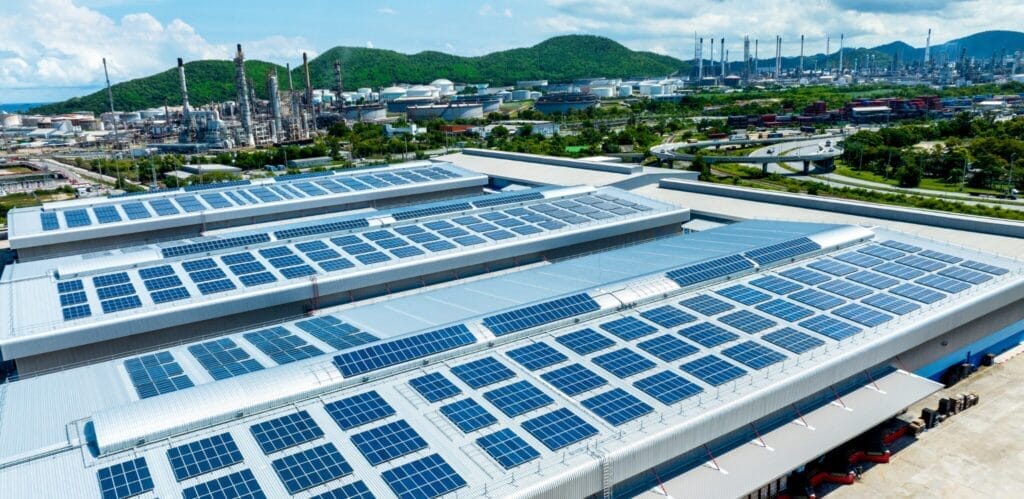
Commercial solar design works the same way. Business owners often look at a rooftop and assume open space means more panels. In practice, commercial solar design is shaped by guardrails like building codes, fire setbacks, roof load limits, and electrical routing. These rules determine where panels can be placed, how much weight a roof can handle, and how safely electricity makes its way to the main panel.
Table of Contents
The Site Visit: Where the Design Begins
Every commercial solar project starts with a site visit. This is where engineers, project managers, and/or teams walk the property to gather the details that will shape the system design.
They look at roof conditions, electrical infrastructure, shading from nearby buildings or trees, and access points for equipment. Photos, drone footage, and 3D scans are often used to capture exact roof dimensions and identify any obstacles that could impact panel placement.
What looks like empty space on a roof may be filled with vents, HVAC units, skylights, or other features that limit usable area. The site visit ensures the design is based on reality, not assumptions.
How Roofs Are Measured and Designed
Once measurements are collected, the design team uses CAD software or solar modeling tools to lay out where panels can and cannot go. This process is about more than maximizing coverage. Engineers factor in:
- Structural analysis: Can the roof handle the additional weight of panels, racking, and ballast, on top of snow or wind loads?
- Tilt and orientation: Panels may need to be angled for optimal production, which affects spacing and shading.
- Access pathways: Clear walkways must be designed for maintenance and safety, reducing panel density.
- Electrical System Considerations: Solar must connect to the building’s existing electrical infrastructure. The main service panel, transformer, and wiring must be able to accept the additional load. Inverters, which convert DC power to AC, also require space, ventilation, and safe access. In some cases, system size is limited not by roof space, but by what the electrical system and utility interconnection can support.
The result is a system design that balances production goals with safety and compliance requirements.
Codes & Compliance Measures Affecting Commercial Solar Design
Even the best-looking roof layout has to pass through a filter of codes and regulations before it can move forward. Solar designers work within a web of national standards and local requirements that dictate how systems must be built. These measures are not red tape; they exist to keep systems safe, reliable, and accessible for both building owners and first responders.
National Electrical Code (NEC)
The NEC sets the baseline for how every solar system is wired and connected. It dictates conductor sizing, grounding, disconnect placement, and safety features like rapid shutdown. For commercial projects, it often determines how conduit is routed, where inverters are placed, and how systems are labeled for first responders.
Fire Code Setbacks
Even a flat roof with a wide-open space cannot be covered edge-to-edge with panels. Fire codes require access pathways around arrays, roof edges, skylights, and mechanical equipment. These setbacks create safe lanes for firefighters to move and ventilate the building in an emergency, but they also reduce the usable roof area for solar.
Local Building Codes
Every jurisdiction adds its own building code requirements. These typically cover roof load capacity, wind ratings, snow accumulation, and even seismic activity in some regions. Meeting these standards ensures the structure can safely handle the additional weight and forces from the solar array.
Utility Interconnection Standards
Solar must tie back into the grid, and utilities set the rules for how that happens. They evaluate transformer capacity, backfeed limits, and grid stability. In some cases, system size is capped by what the utility can support, or building owners may need to invest in costly electrical upgrades before interconnection is approved.
Together, these rules determine what is truly possible on a commercial roof. They explain why a commercial solar design that looks simple at first glance becomes a careful balance of safety, engineering, and compliance in practice.
Find Your Expert
Just like the debate over whether Jack could fit on that Titanic door, solar design is more complicated than it looks on the surface. Open roof space does not automatically equal solar capacity. Codes, safety pathways, structural analysis, and electrical constraints all shape what is possible.
For business owners, the key is working with experienced designers and engineers who know how to navigate these requirements while still maximizing system performance. Commercial solar is a long-term investment, and the goal is not simply to fill the roof but to create a system that works, lasts, and pays back for decades.
The next time you look at your roof and imagine it covered in panels, remember: it is not about how much space you see, it is about how that space can be safely and effectively used.
Follow Solar Insure on our social media channels for all the information you could ever need about solar. Stay up to date with the latest in solar tips, trends, SI-30 product notes, and pro tips for success in your solar business.
